

Whether you are looking for a rugged bakkie to handle the bushveld or a fuel-efficient hatchback for your daily commute into Sandton or Cape Town, navigating the world of car dealerships in South Africa can initially feel overwhelming. Buying a vehicle is one of the most significant financial commitments you will make, and doing it right requires a bit of insider knowledge.
The landscape of South Africa car sales is incredibly diverse, offering everything from brand-new luxury SUVs to budget-friendly pre-owned runarounds. However, before you sign on the dotted line and drive off into the sunset, it is vital to understand how the local market operates, how to secure the best financing, and how to protect yourself as a consumer.
Here is your comprehensive, step-by-step guide to successfully finding, financing, and purchasing your next vehicle.
Understanding the Market: Where to Buy
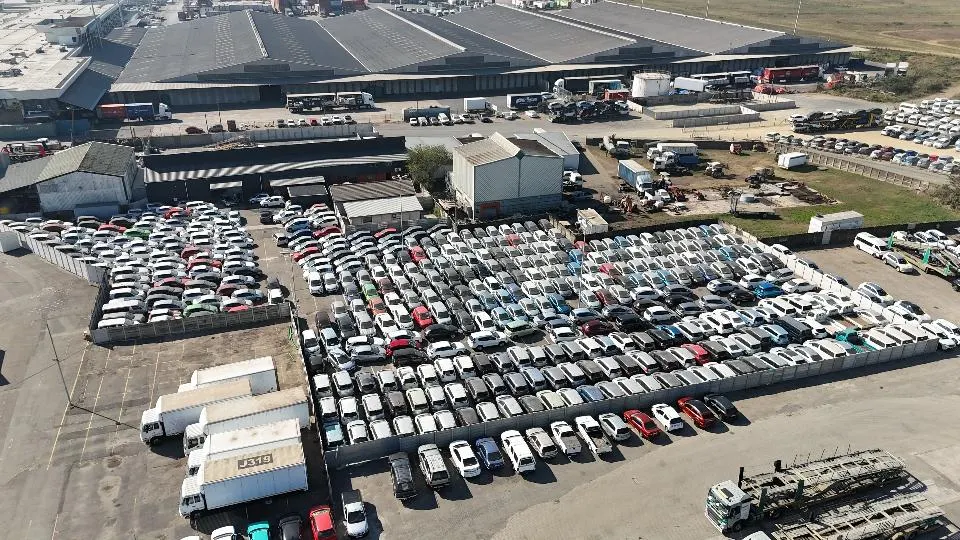
When looking to buy cars South Africa offers, your first major decision is choosing the right type of dealership. Buyers generally have two primary options, and understanding the differences between franchised vs independent car dealers will help set your expectations.
Franchised Dealerships
Franchised dealers are officially affiliated with specific car manufacturers (such as Toyota, Ford, or Volkswagen). They sell brand-new vehicles from that manufacturer, alongside high-quality used cars.
- The Pros: They offer manufacturer-backed warranties, highly trained mechanics, and streamlined access to OEM (Original Equipment Manufacturer) parts.
- The Cons: Their prices, especially on pre-owned vehicles, can sometimes be slightly higher due to dealership overheads.
Independent Dealerships
Independent dealers are not tied to a single brand and offer a wide mix of South African cars from various manufacturers.
- The Pros: They often provide highly competitive pricing and a broader variety of brands on a single showroom floor.
- The Cons: The quality can vary between dealerships.
Pro Tip: Regardless of which route you choose, always verify that the dealership adheres to National Automobile Dealers Association standards. NADA membership ensures that the dealer is committed to ethical business practices, giving you peace of mind during the transaction.
Financing Your Dream Car
Unless you are buying your vehicle with cash, you will need to explore vehicle financing options South Africa has available. Most major banks (like WesBank, Absa, Standard Bank, and Nedbank) offer vehicle finance, which the dealership’s Finance and Insurance (F&I) manager can help facilitate.
Credit Scores and Financing
Your credit profile dictates your interest rate and whether your loan gets approved. If you have a poor credit history, do not lose hope. There are specialized car dealerships that accept bad credit in South Africa, often working with alternative lenders who focus on affordability rather than just credit scores.
However, interest rates on these loans are usually higher. If your purchase isn’t urgent, spend a few months focusing on rebuilding credit for vehicle finance. You can do this by paying off smaller debts, avoiding new credit applications, and ensuring all current accounts are paid on time.
The Truth About Balloon Payments
When exploring finance, dealers will frequently offer you a deal that includes a balloon payment. It is crucial to weigh the balloon payment pros and cons before agreeing.
- Pros: A balloon payment significantly lowers your monthly installment, allowing you to drive a more expensive car than you might otherwise afford.
- Cons: The balloon is a large lump sum due at the very end of your loan term. If you have not saved for it, you will have to either refinance the remaining amount (incurring more interest) or sell the car to cover the debt.

Mastering the Pre-Owned Market
The pre-owned market for South Africa cars is booming. Buying used is a fantastic way to bypass the steep initial depreciation of a new car, but it requires vigilance.
Certified Pre-Owned vs. Standard Used
Whenever possible, look for the certified pre-owned car benefits offered by franchised dealers. “Certified” means the vehicle has undergone rigorous testing, usually comes with an extended warranty, and has been refurbished with genuine parts.
Your Second-Hand Car Buying Checklist
If you are buying a standard used car, never rely on a quick visual inspection. Keep this second-hand car buying checklist handy:
- Check vehicle service history: A complete, stamped service book proves the previous owner maintained the car properly. Avoid cars with large, unexplained gaps in their service history.
- Request multi-point safety inspection reports: Reputable dealerships will have a mechanic evaluate the car’s engine, brakes, suspension, and electronics. Ask for this report in writing.
- Conduct a verification check: Always insist on the TransUnion vehicle verification process (often called a TransUnion Auto Check). This report confirms the car’s mileage, checks if it is currently listed as stolen, and verifies if it has ever been written off by an insurance company.
- Take a comprehensive test drive: Drive on both highways and quiet streets. Listen for strange noises, test the brakes, and ensure the steering doesn’t pull to one side.
Pricing, Trade-Ins, and Negotiation
To get the best out of car sales South Africa has to offer, you must understand how pricing works—especially if you are trading in your old vehicle.
Trade-in Value vs. Retail Price
Many buyers get frustrated when a dealer offers them less for their current car than what similar cars sell for online. This is the difference between trade-in value vs retail price.
- Trade-in value (Book value): The wholesale price the dealer pays you for your car. They take on the risk, the cost of repairs, and the marketing.
- Retail price: The price the dealer lists the car for on the showroom floor to make a profit.
How to Negotiate Effectively
Learning how to negotiate car prices can save you thousands of Rands. Here are a few actionable tips:
- Do your research: Use websites like AutoTrader or Cars.co.za to find the average retail price of the vehicle you want.
- Separate the transactions: Negotiate the price of the new car first. Once you have settled on a fair price, then introduce your trade-in. This prevents the dealer from shuffling numbers around to make a bad deal look good.
- Ask for extras: If the dealer won’t budge on the sticker price, ask them to throw in extras like a new set of tyres, smash-and-grab window tinting, or an extended warranty.
Paperwork, Legal Protections, and Ownership
Once you have negotiated the price and secured your financing, it is time to handle the administration. Being prepared speeds up the process significantly.
Essential Documentation
To comply with the Financial Intelligence Centre Act (FICA) and bank regulations, ensure you have the correct documents ready. The standard documents needed to buy car include:
- Your original South African Identity Document (or Passport with a valid traffic register number).
- A valid South African driver’s license.
- Proof of residential address (a utility bill or retail account no older than three months).
- Your latest payslip (or three months’ payslips if you earn commission).
- Three months’ bank statements (stamped by your bank).
Knowing Your Rights
When dealing with car dealerships in South Africa, you are legally protected. The Consumer Protection Act car buyers guidelines (specifically Section 55 and 56) stipulate that you have the right to safe, good-quality goods.
If you buy a car from a dealership (not a private seller) and a material defect occurs within the first six months, the CPA dictates that the dealer must repair, replace, or refund the vehicle. Note that this does not cover normal wear-and-tear items like brake pads or wiper blades, and it certainly does not cover damage caused by driver negligence.
Finalizing the Transfer
The last hurdle is making the car legally yours. The transfer vehicle ownership steps are strictly regulated by the eNaTIS system.
- NCO Form: The seller (the dealership) must complete a Notification of Change of Ownership (NCO) form.
- RLV Form: You (the buyer) must complete the Registration and Licensing of Motor Vehicle (RLV) form.
- Roadworthy Certificate: A valid roadworthy certificate (no older than 60 days) must be provided. Reputable dealerships will almost always handle the roadworthy test for you.
- Submission: The dealership’s licensing department will typically submit these forms to the traffic department on your behalf, providing you with your new license disc and registration certificate. If you are financing the car, the bank keeps the original registration certificate (Title) until the car is fully paid off, but you will receive a copy.
Conclusion
The market for South African cars is vibrant, offering fantastic opportunities for buyers who do their homework. Whether you choose an independent lot or a franchised showroom, successfully navigating car sales South Africa requires patience and preparation.
By understanding your financing options, diligently checking vehicle histories, knowing how to negotiate, and leveraging your rights under the Consumer Protection Act, you can drive away with absolute confidence. Take your time, ask the hard questions, and enjoy the journey of finding your perfect vehicle!