

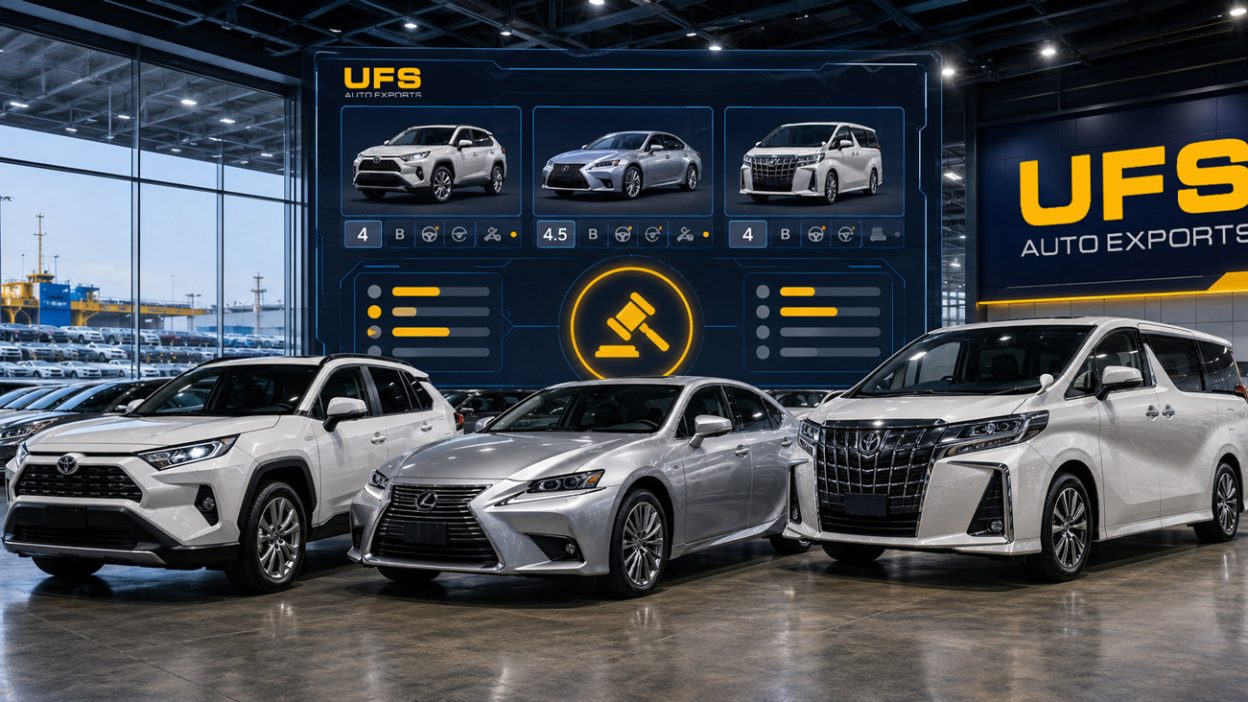
Quick answer: Reliable Japanese car trade platforms include registered exporters, managed auction services and verified multi-seller portals. Before choosing one, check the company identity, bank beneficiary, auction-sheet access, total fees and shipping process. UFS Auto provides ready-stock vehicles, Japanese auction access and export coordination for international buyers.
The difficult part is not finding Japanese cars online. Hundreds of websites display them.
The difficult part is deciding which company should receive your money.
A professional-looking website, a large stock count and a WhatsApp contact do not prove that a vehicle exists or that the seller will complete the export correctly. A reliable platform must connect the advertisement to a verifiable company, a documented vehicle and a clear purchasing process.
What Type of Japanese Car Platform Do You Need?
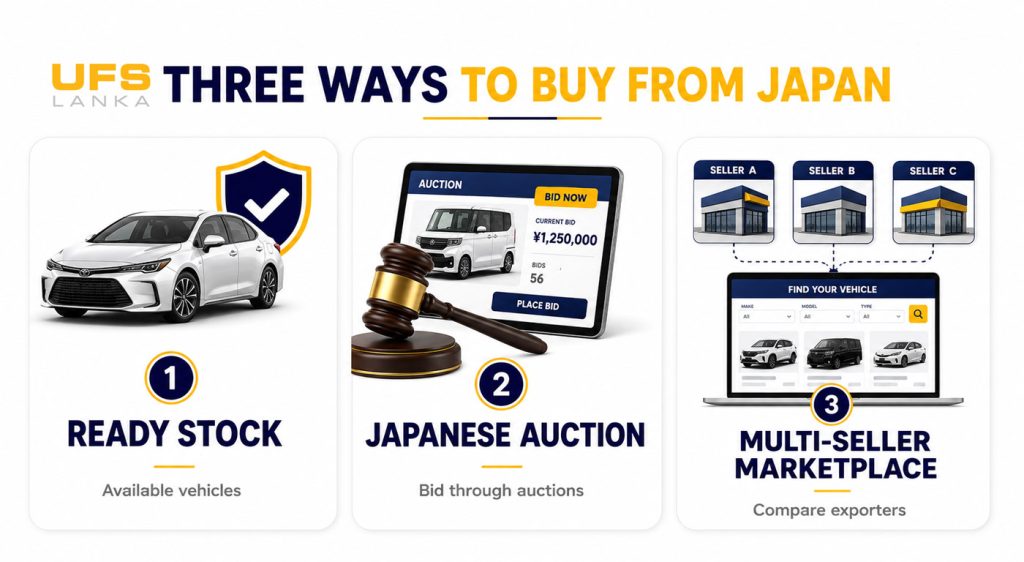
Not every Japanese vehicle website performs the same job. Before comparing platforms, identify which of these three services you need.
A Ready-Stock Exporter
A ready-stock exporter has already purchased the vehicle and offers it at a confirmed price. This is usually the easier route for first-time importers because the chassis number, photos and vehicle details are available before payment.
The trade-off is selection. You are limited to vehicles already owned or controlled by that exporter.
A Managed Japanese Auction Platform
An auction platform lets you search vehicles scheduled for sale at Japanese auction houses. You select a unit, review its auction sheet, set a maximum bid and authorize the platform or exporter to bid for you.
This gives you far more choice, but it also creates more decisions. You must understand the auction report, calculate purchasing charges and avoid bidding on a vehicle that cannot legally be imported into your country.
UFS Auto operates UFS BidDirect, which states that buyers receive access to more than 130,000 vehicles offered weekly through over 100 Japanese auction houses. Its published process covers registration, vehicle selection, bidding, payment and shipping. These figures and terms should be reconfirmed when registering because auction access changes over time.
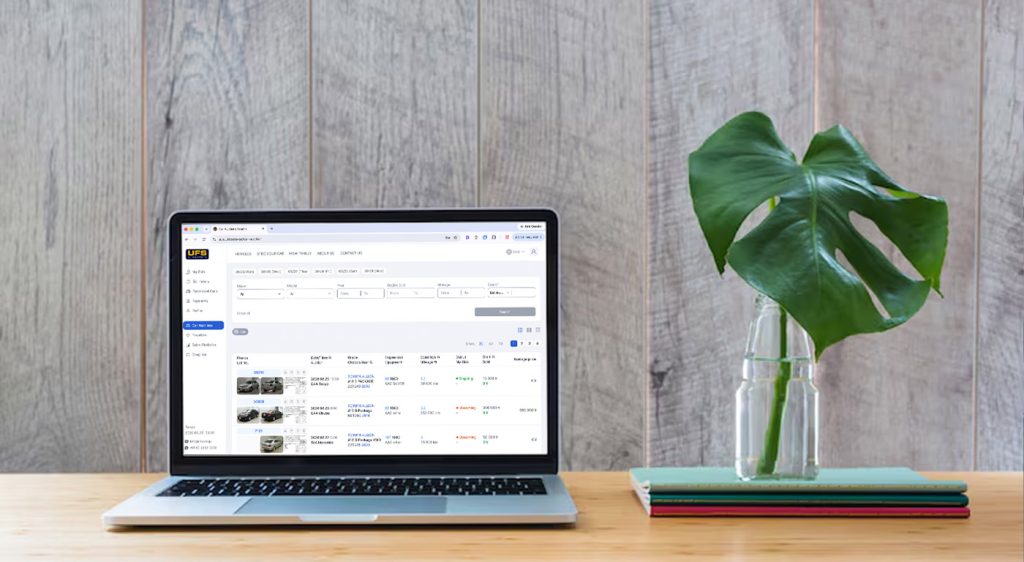
Cited source: UFS BidDirect – ufsauto.jp
A Multi-Seller Marketplace
A marketplace displays stock from several exporters or dealers. It is useful for comparing vehicles and prices, but the marketplace might not be the company selling the car.
That distinction matters.
JapaneseCarTrade, for example, describes itself as a portal connecting overseas buyers directly with exporters. It also warns users about offers from non-member sellers. The platform helps buyers find companies, but buyers still need to investigate the exporter handling their transaction.
Cited source: JapaneseCarTrade.com
Which Japanese Car Trade Platforms Are Worth Considering?
There is no single best platform for every buyer. The right choice depends on whether you want direct auction access, an export-ready vehicle, dealer-scale purchasing or more assistance at your destination.
UFS Auto: Best for Sourcing Plus Export Support
UFS Auto is the strongest fit for individual buyers and dealers who want to choose between ready stock and Japanese auction sourcing while keeping vehicle purchase, documentation and shipping coordination within one service.
Its published purchasing process follows five stages:
- Select a vehicle and request a quotation.
- Confirm the order and consignee information.
- Pay against the issued proforma invoice.
- Receive shipment and export documents.
- Clear and register the vehicle at the destination.
UFS Auto states that shipment documents include the Bill of Lading, Export Certificate and commercial invoice. Buyers may work with their own clearing agent or request additional logistics support where available.
Cited source: How to Buy from UFS Auto – ufsauto.jp
The company also publishes its official bank-beneficiary information. That gives buyers a reference against which to check the name and account shown on a proforma invoice. Never use banking instructions sent from an unverified email or messaging account without comparing them against the exporter’s official website.
Cited source: UFS Auto Banking Information – ufsauto.jp
UFS Auto is not the automatic choice for someone seeking a bare auction interface with no export or customer assistance. It is better suited to buyers who value support after the bid, especially with export documents, shipping arrangements and destination coordination.
Its displayed vehicle prices also require careful reading. UFS Auto states that the listed price covers the vehicle, while freight, duties, clearance, taxes and country-specific charges are separate unless included in a quotation.
Cited source: UFS Auto Purchasing FAQ – ufsauto.jp
JapaneseCarTrade: Useful for Comparing Exporters
JapaneseCarTrade is a multi-seller portal rather than one single exporter. It allows buyers to browse vehicles from different suppliers and submit auction enquiries.
That breadth is useful, but responsibility shifts to the buyer. Confirm exactly which exporter owns the vehicle, who will issue the invoice and where the payment will be sent.
CAR FROM JAPAN: Suitable for Broad Stock Searches
CAR FROM JAPAN provides extensive filters covering make, body type, mileage, price and vehicle age. It is useful when the first task is comparing many available vehicles.
As with any marketplace-style service, examine the actual seller attached to the listing and read the purchasing terms before making payment.
Cited source: CAR FROM JAPAN
SBT Japan: Suitable for Established Exporter Stock
SBT Japan carries inventory sourced from several countries and publishes worldwide shipping coverage. It also accepts requests to source vehicles from Japanese auctions.
It suits buyers who prefer purchasing through a large exporter, although the quotation should still identify the vehicle cost, freight and destination expenses separately.
Cited source: SBT Japan
CARVECTOR: Useful When Published Auction Charges Matter
CARVECTOR focuses on Japanese auction purchasing and publishes separate commission structures for private buyers and dealers. It also advertises auction-sheet translation and additional vehicle photography.
Published commissions and service terms change, so confirm the current charge for your buyer category before bidding.
Cited source: CARVECTOR
Nikkyo: An Established Stock and Auction Option
Nikkyo offers ready stock and vehicle sourcing through auctions, dealers, leasing companies and rental fleets. Its website also identifies the company as a JUMVEA Safe Trade member.
Industry membership is a useful signal, but buyers should verify current membership independently rather than relying only on a logo displayed by the seller.
Cited source: Nikkyo
Recommended Reading
Why Are Japanese Used Cars So Reliable and Affordable?
Discover what makes Japanese used vehicles a trusted choice for international buyers, from strict inspections and documented condition reports to competitive pricing.
Read the Complete Buyer Guide →How Do You Check Whether a Japanese Car Platform Is Reliable?
A good platform should survive six checks before you send money.
1. Can You Verify the Company Behind the Website?
Look for the complete legal company name, Japanese address, telephone number and official bank-beneficiary name.
Check whether those details agree across the website, invoice and email correspondence. A trading name and a legal bank-account name will sometimes differ, but the exporter must explain that relationship clearly.
An unexplained personal account is a reason to stop.
Japan’s Used Motor Vehicle Exporters Association states that its certified members are legally registered companies with licences to buy and sell second-hand vehicles. Its directory provides an additional verification route when a seller claims membership.
Cited source: JUMVEA Member Guidance
2. Will the Platform Provide the Chassis Number and Auction Sheet?
For an auction vehicle, request the original auction sheet before bidding. Check:
- Chassis number
- Odometer reading
- Exterior and interior grades
- Inspector’s remarks
- Scratch-and-dent diagram
- Repair-history codes
- Rust or corrosion remarks
- Engine and transmission comments
An auction grade is only a summary. Two cars with the same grade can have very different defects.
Ask for a translation if you cannot read the Japanese notes. Do not rely on the listing title alone.
Before You Place a Bid
One Auction-Sheet Remark Can Change the Entire Deal
A vehicle can look clean in photographs and still carry an inspector’s remark about corrosion, previous repairs, mechanical noise, warning lights or missing equipment. That single note could justify reducing the maximum bid—or rejecting the vehicle completely.
This is why UFS Auto recommends reviewing the original auction sheet, diagram markings, grades and Japanese inspector comments before bidding. The grade alone never tells the complete story.
UFS Buyer Tip: Set your maximum bid only after the auction-sheet remarks have been translated and explained.
3. Does the Quotation Show the Complete Cost?
Never compare one platform’s FOB price with another platform’s landed price.
Request an itemized quotation showing whichever charges apply to the transaction:
- Vehicle or auction purchase price
- Auction and exporter fees
- Inland transport within Japan
- Inspection and certification
- Port or container charges
- Ocean freight
- Marine insurance
- Destination-port charges
- Customs duties and taxes
- Clearing and inland-delivery costs
The lowest advertised vehicle price does not always produce the lowest final cost.
4. Is the Payment Beneficiary Consistent?
Compare the beneficiary shown on the invoice with the banking information published through the company’s official domain.
If someone announces a “new account” through WhatsApp or sends a replacement invoice from a different email address, verify it using an independently obtained company phone number. Do not reply only to the message that supplied the changed details.
Save the invoice, transfer confirmation and written order approval.
5. Does the Exporter Explain the Documents You Will Receive?
Before paying, ask for a written list of export and shipping documents.
Depending on the transaction and destination, this could include the commercial invoice, Bill of Lading, Japanese Export Certificate, English translation and inspection certificate.
UFS Auto’s published buying process identifies the Bill of Lading, Export Certificate and invoice among the documents prepared for shipment and clearance.
Cited source: UFS Auto Export Process – ufsauto.jp
6. Is the Vehicle Legal to Import into Your Country?
Buying the car and importing it are different approvals.
Confirm the allowed vehicle age, steering side, fuel type, inspection requirement and emissions rules before bidding. Customs duties and registration requirements should be checked with the relevant government authority or a licensed local clearing agent.
A reliable exporter should ask for the destination country and port before confirming the purchase.
What Mistakes Make Buyers Lose Money?
The first is treating the platform name as proof that every listing is safe. On a marketplace, the contracting seller matters more than the marketplace homepage.
The second is choosing from photographs alone. Bright paint and a clean interior do not reveal underbody corrosion, prior structural repairs or mechanical remarks recorded on an auction sheet.
Another expensive mistake is setting an auction bid before calculating the total import budget. Winning the car is binding under many auction arrangements. A buyer who forgets freight, duty or inland delivery has not found a bargain; they have created a cash-flow problem.
And then there is urgency. “Pay today or lose the vehicle” is not a reason to skip bank verification. A legitimate vehicle can be sold to another buyer. That is still cheaper than sending money to the wrong account.
Is UFS Auto the Right Platform for You?
Choose UFS Auto if you want:
- Ready-stock vehicles and Japanese auction sourcing
- Assistance reviewing auction options
- A documented quotation and payment process
- Export-document preparation
- Shipping coordination
- Support through a regional UFS network
UFS Auto describes its Japan operation as the central vehicle-sourcing and inspection hub, supported by operations serving markets including Southern Africa, East Africa and Sri Lanka.

Cited source: UFS Auto Global Network – ufsauto.jp
Before committing, request the exact vehicle record, complete quotation, auction sheet where applicable, bank details and expected document list. Verify each item against the official website.
That is the practical test of a reliable Japanese car trade platform—not the size of its homepage banner.
What Should You Do Next?
Start with two suitable vehicles rather than twenty.
Browse the current UFS Auto vehicle inventory, record the stock numbers and request an itemized quotation for your destination. If the required model, year, grade or colour is unavailable, compare suitable units through UFS BidDirect.
Do not make your first decision based on price. Make it based on the vehicle record, the complete cost and the exporter responsible for delivering the documents.
Find Your Next Vehicle from Japan
Compare UFS Auto ready stock or access Japanese vehicle auctions through UFS BidDirect. Request a clear quotation before you commit.
Frequently Asked Questions
Where can I find reliable Japanese car trade platforms?
Start with registered exporters, managed Japanese auction services and verified multi-seller portals. Check the legal company name, bank beneficiary, vehicle chassis number, auction sheet, quotation and shipping process before paying. UFS Auto offers both ready-stock vehicles and Japanese auction sourcing for international buyers.
How do I know whether a Japanese car exporter is legitimate?
Verify its legal business details, physical address and official bank account. Compare the information on the website, invoice and email correspondence. If the exporter claims an industry membership, confirm it through the association’s current member directory.
Is it better to buy ready stock or bid at a Japanese auction?
Ready stock is simpler because the exporter has already purchased the vehicle and can provide its details and price. Japanese auctions provide more choice, but buyers need to understand auction sheets, charges, bidding rules and import eligibility before submitting a bid.
What should I check on a Japanese auction sheet?
Check the chassis number, mileage, exterior and interior grades, repair-history codes, inspector’s remarks, corrosion notes and the scratch-and-dent diagram. Request a translation of the Japanese comments before deciding on a maximum bid.
Does the advertised vehicle price include shipping and import taxes?
Not necessarily. Ask whether the price is the vehicle cost, FOB price, cost-and-freight amount or complete landed estimate. Freight, insurance, port charges, duties, taxes, customs clearance and inland delivery might be separate.