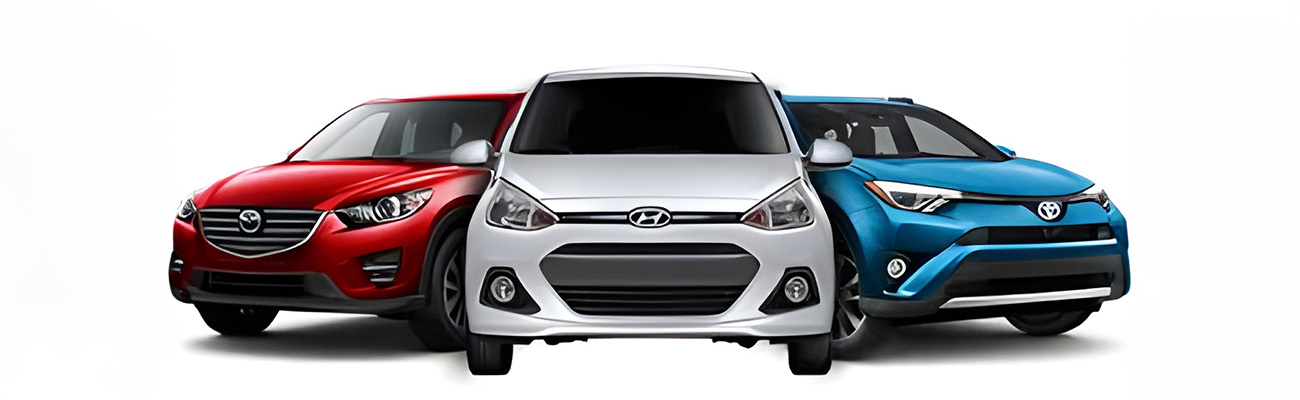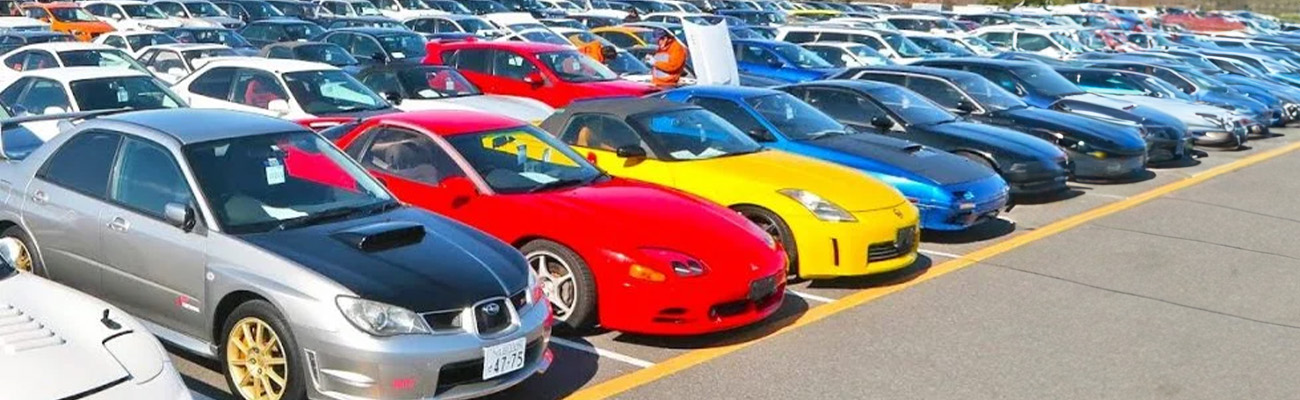

The global automotive market has reached a critical inflection point in 2026. As the manufacturing costs for new internal combustion engine (ICE) vehicles continue to climb, the international demand for Japanese second hand cars for sale has hit a historic peak. In 2025, the Japanese used vehicle market was valued at $70.9 billion, and current 2026 projections from the IMARC Group suggest a steady climb toward $124.1 billion by 2034. For the global buyer, this is no longer just about "finding a used car"—it is about navigating a complex, multi-billion dollar ecosystem where data and transparency are the only shields against depreciation.
At UFS Auto Exports, the mission is to transform the traditional export model. In a year where "Mild Hybrids" and 2019+ models dominate the shipping lanes to Africa, Oceania, and the Caribbean, the company provides the analytical depth required to turn a purchase into a high-yield asset. This guide leverages 2026 trade statistics and auction insights to explain why Japanese second hand cars for sale remain the world’s most trusted automotive investment.
The 2026 Market Dynamics: A Global Shift
Why does the world continue to prioritize japanese second hand cars for sale over locally manufactured alternatives? The answer lies in the "Quality-Value Gap." According to recent data from the Japan Automobile Dealers Association, while new car sales in Japan saw a slight 2.3% dip in early 2026, the export sector remained robust, particularly in the "mini" (Kei) and hybrid segments.
1. The Reliability Factor
The reputation of Japanese engineering is not merely marketing; it is backed by decades of maintenance culture. The Shaken inspection system—Japan’s rigorous mandatory safety check—forces a level of proactive care that is virtually non-existent in other markets. For the buyer of japanese second hand cars for sale, this means acquiring a vehicle that has likely never missed a scheduled fluid change or a safety update.
2. Resale Value Retention
Data from Motorway 2026 updates indicates that Japanese brands, specifically Toyota and Honda, retain their value significantly better than their European or American counterparts. A Toyota RAV4 or Honda Jazz sourced from the 2026 auction pool typically depreciates 15-20% slower than local stock over a three-year ownership period. This makes japanese second hand cars for sale a safer harbor for capital.
Navigating the "2026 Regulatory Wall"
Importing japanese second hand cars for sale in 2026 requires a sharp focus on changing environmental and age-limit laws. Global trade is currently in a "Plateau State," where high demand is meeting stricter entry barriers.
- East Africa (Kenya & Tanzania): In 2026, the "2019 Model Rule" is the new standard. Importing anything manufactured prior to 2019 now faces immediate rejection or punitive "age dump" taxes. UFS Auto Exports specializes in sourcing these newer, compliant units that balance the 2026 tax brackets.
- The Hybrid Advantage: Many countries have slashed import tariffs for Hybrid and "Mild Hybrid" vehicles. Models like the Toyota Aqua and Nissan Note e-Power are currently the fastest-moving japanese second hand cars for sale, as they circumvent the high carbon taxes implemented in early 2026.
Top Performing Models in the 2026 Auction Lanes
Based on auction data from USS Tokyo and TAA Yokohama, certain models have emerged as the "blue chips" of the second-hand market.
- The Budget Leader: The Toyota Corolla remains the most searched model. It is prized for its longevity, often exceeding 300,000 km with only basic maintenance.
- The Fuel Efficiency King: The Honda Fit (Hybrid) has seen a 12% increase in export volume this year.
- The Rugged Utility Asset: The Toyota Land Cruiser Prado continues to fetch nearly 85% of its original value in export markets due to its legendary 4WD durability.
- The Commercial Backbone: Demand for the Toyota HiAce (GDH series) has grown by 12% in 2026, specifically for units equipped with the 1GD diesel engine.
For buyers searching for japanese second hand cars for sale, these models represent the lowest risk for mechanical failure and the highest potential for local resale.
How UFS Auto Exports Guarantees Transparency
In the digital age of 2026, the biggest threat to a buyer is not the price, but the "Information Gap." UFS Auto Exports eliminates this by providing a professional, third-party audit of every vehicle before it leaves Japanese soil.
- Original Auction Sheets: Every listing of japanese second hand cars for sale through the company includes the original auction sheet. The team translates and explains every grade—from the pristine Grade 4.5 to the "R" grade (repaired)—ensuring the buyer knows exactly what they are paying for.
- Odometer Verification: Odometer fraud is a global issue. To protect its clients, the company facilitates mandatory pre-export inspections through JEVIC or QISJ. These certificates act as a legal guarantee that the mileage on your japanese second hand cars for sale is genuine.
- Logistic Precision: Shipping in 2026 has become more complex due to port congestion. The company manages the end-to-end logistics, from inland transport to the final Bill of Lading, securing the most competitive RoRo rates available.
The Real Cost: Japanese Imports vs. Local Dealers
Many buyers hesitate when looking at japanese second hand cars for sale due to the perceived complexity of shipping. However, the financial data reveals a different story. When factoring in the Landed Cost (Auction Price + Shipping + Local Duties), a direct import from Japan typically costs 15% to 22% less than a comparable vehicle on a local dealer's lot. Furthermore, because the Japanese vehicle has a documented service history, the "post-purchase" repair costs are statistically 40% lower in the first year of ownership.
Conclusion: A Strategic Investment for 2026
The market for japanese second hand cars for sale is no longer just a way to save money—it is the smartest way to own a vehicle in 2026. With the rise of hybrid technology and the increasing strictness of global import laws, having a partner like UFS Auto Exports is essential. By combining data-driven sourcing with a commitment to factual transparency, the company ensures that your next vehicle is a source of pride, not a financial burden.
Japanese engineering has set the standard for the 2020s. In 2026, the most reliable way to access that engineering is through a verified, documented export process that puts the buyer in the driver’s seat.
Ready to explore the finest japanese second hand cars for sale? Browse the latest auction arrivals or contact the UFS Auto Exports team today for a transparent quote and expert guidance on your 2026 import journey.
Frequently Asked Questions (FAQs)
- Is it safe to buy japanese second hand cars for sale online in 2026?
Yes, provided you partner with a verified exporter. UFS Auto Exports provides original auction sheets and mandatory inspection certificates (JEVIC/QISJ) to ensure the vehicle's condition and mileage are accurately reported.
- What is the "8-year rule" for importing cars in 2026?
In many countries, such as Kenya, you cannot import a vehicle older than 8 years. For 2026, this means the japanese second hand cars for sale you choose must have been manufactured in 2019 or later.
- Why is the mileage on Japanese cars usually so low?
Japanese car owners drive an average of only 6,000 to 10,000 km per year due to an exceptional public transport network. This means japanese second hand cars for sale often have less than half the mileage of Western counterparts of the same age.
- Can I import a Hybrid vehicle to my country?
Most countries allow Hybrid imports, and in 2026, many offer "Green Tax" incentives. UFS Auto Exports can advise you on whether specific models like the Toyota Aqua or Prius qualify for lower duties in your region.